Research
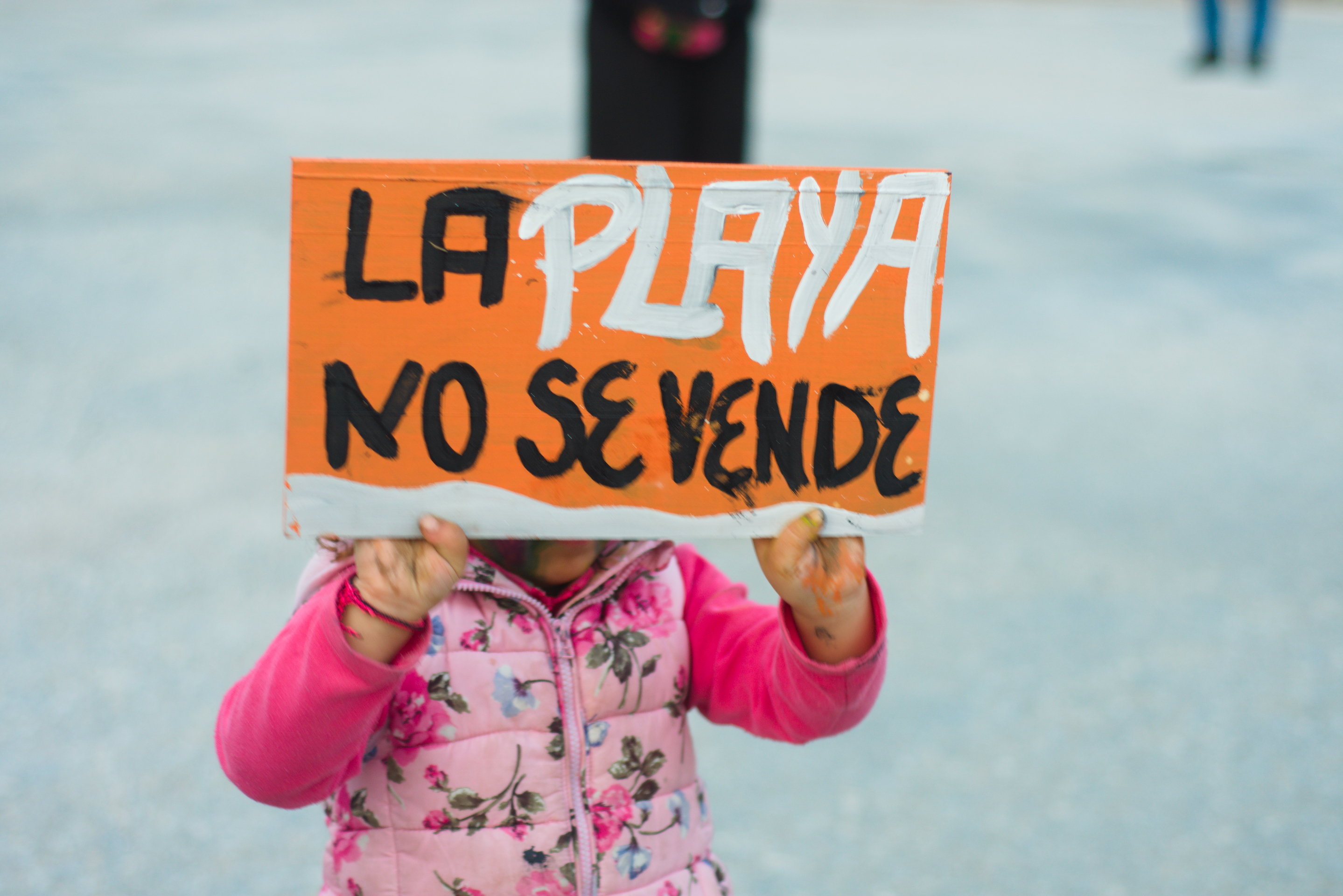
The beach in dispute: commodification of the coastal ecosystem in Uruguay
Published
May 18, 2026 19:40

In Uruguay, coastal areas are the most inhabited, which entails major socio-environmental challenges (effluent pollution, plastics, water management and quality, etc.). The advance of urbanization and tourism generate impacts on the coastal ecosystem, such as loss of ecosystem and biodiversity, and different types of pollution. Gentrification or elitization processes are reproduced in these coastal localities. These processes are characterized by: real estate speculation, the commodification of nature, inequity in access to education, health and recreation services, etc. Particularly, the gentrification of coastal zones presents some distinctive characteristics since it involves the access and use of the beach and the coastal public space as a whole (beach and ocean). Sun and beach tourism further deepens these processes by involving dynamics of housing demand during intermittent periods of time (e.g. in the summer season), demand for services, infrastructure development (roads, boardwalks, bridges) for tourist access, among others. In this paper Victoria Vidal analyzes the different processes (tourism and urbanization) that occur on the coastal ecosystem of the South-East zone of Uruguay and examine to what extent they promote its privatization and destruction.
To read the complete thesis follow the link.
To read the complete thesis follow the link.
This research was carried out as a degree project within the framework of the International Master's Degree in Political Ecology and Alternatives to Development convened by the Environment and Sustainability Area of the Universidad Andina Simón Bolívar, Ecuador campus. For more information about the master's degree, please enter here https://www.uasb.edu.ec/programa/ecologia-politica-y-alternativas-al-desarrollo/